How it differs
Why they are hard to build
Human conversation runs on split-second signals. On NVIDIA's VideoFDB benchmark, the human reference scores 90% and Griffin Lite scores 73.8% on perception-track TOR-Alignment. These scores describe a specific task, not overall social intelligence.
On the TurnBench benchmark, no AI system tested could match that early start without frequently cutting people off.
How they are trained and tested
A Human Interaction Model learns from recordings of people interacting. Most large conversation datasets record people talking to people and are labeled by hand after the fact. Testing usually happens in the lab, on recorded clips. What these models need most is data from real people interacting with the model itself, timed precisely, and testing in live conversation.
Bingham Intelligence designs live sessions between real people and your AI, with synchronized records and reviewed behavioral labels.
Where they go next
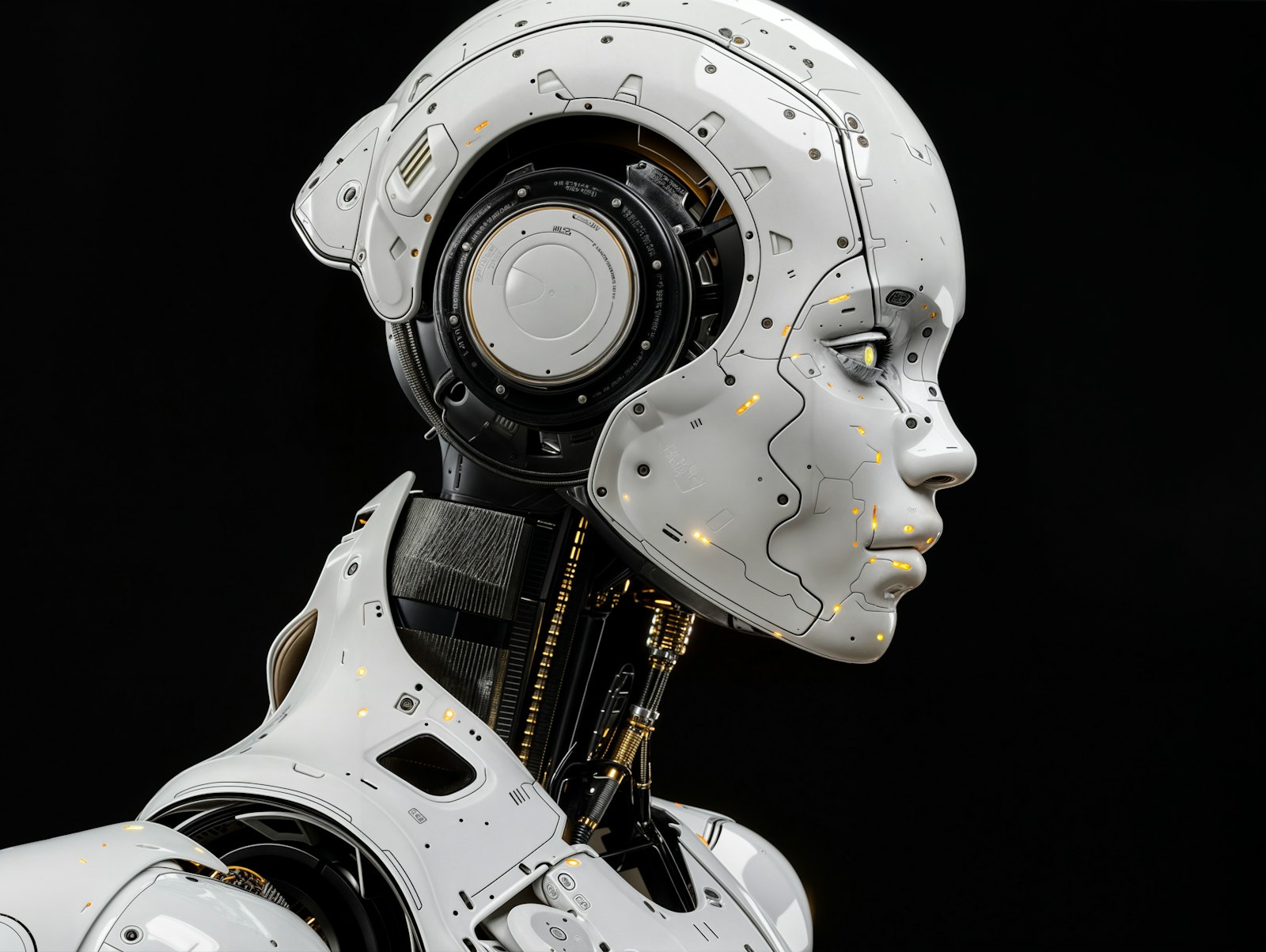
The social questions extend into robotics: when to respond, when to yield and how to react to human signals. Physical systems also need robot-specific capture, safety controls and validation.
Questions
Is a Human Interaction Model the same as an AI avatar?+
No. An avatar is the face. A Human Interaction Model is the system that runs the whole interaction: what it sees, what it hears, when it speaks and how it responds.
Who builds Human Interaction Models?+
Companies building real-time video agents, interactive avatars and live voice-and-vision assistants, along with AI research labs.
How do you evaluate a Human Interaction Model?+
With research benchmarks such as NVIDIA's VideoFDB and TurnBench, and with live sessions where real people interact with the model.